FokaiFemmeAndFokaiAmphibiousDivision:Gold
June 24, 2009 by admin
Filed under FokaiFemme

FokaiFemme:IranianWomenStandUpInDefiance
June 24, 2009 by admin
Filed under Special Forces
CNN) — A young Iranian woman named Neda is gunned down in one of the most iconic images of the last week. Another walks down the street, defiantly showing off her hair and body in a revealing dress. And still another woman says she’s not scared of paramilitary forces — no matter how many times she gets beaten.
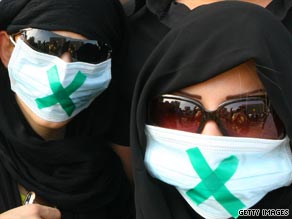
Women have taken to the streets of Tehran. “This shows the new face of Iran,” one expert says.
 “When they want to hit me, I say hit. I have been hit so many times and this time it doesn’t matter. I just want to help my brothers and sisters,” says the 19-year-old woman whose identity is being withheld by CNN for her safety.
Amid the clashes and chaos, there has been a recurring scene on the streets of Tehran: Women, in their scarves and traditional clothing, at the heart of the struggle. Some are seen collecting rocks for ammunition against security forces, while video showed one woman trying to protect a fallen pro-government militiaman wounded in the government crackdown. At Shiraz University, riot police clubbed women dressed in black robes. “Don’t beat them, you bastards,” one man yells.
When security forces come to attack, the 19-year-old woman protester says she looks them in the eye and asks: “Why do you kill your brother? Why do you hit your mother, your sisters?”
“We all tell them, if you’re Iranian, you shouldn’t do that to your people, to your own country’s people,” she told CNN by phone.
But it’s the woman known as Neda who has become the symbol of women on the front line that has galvanized opponents of the Iranian regime. In a widely circulated video, Neda is seen in the middle of protests over the weekend. She is shot and drops to the ground. Blood runs from the side of her mouth as a few people, including her music professor traveling with her, press on her chest and shout her name. One pleads, “Do not be afraid.” The camera closes in on her face as her eyes roll back and are still.
Karim Sadjadpour, an associate at the Carnegie Endowment for International Peace, said the image of Neda and other women at the protests showed the difference from the 1979 revolution. “The iconic pictures from the revolution 30 years ago were bearded men. This shows the new face of Iran — the young women who are the vanguards of Iran.” 
Abbas Milani, the director of Iranian Studies at Stanford University, agreed that Neda was becoming a symbol for all the women who have become involved in the turmoil that has followed the disputed election. “She will become the image of this brutality and the role — the truly significant role — that women have played in fighting this regime. I think that women are the unsung heroes of the last few years. They are the ones who began chipping away the absolute authority of the mullahs.”
The protests haven’t just been confined to Iran’s everyday women. The daughter of former President Ali Akbar Hashemi Rafsanjani was arrested over the weekend while taking part in a protest. She was later released.
In addition, Zahra Rahnavard, the wife of Mir Hossein Moussavi, whose apparent defeat in Iran’s presidential election has sparked the unprecedented demonstrations, campaigned for her husband, an unusual step in politics in Iran. Her public support of his candidacy underscored his professed support for women’s rights.  Learn more about the timeline of events »
And in another act of defiance, apparently from after the election, a woman who appears to be in her 20s or 30s walks down a street in Tehran, showing off her body in a revealing dress and displaying her long, curly hair. In Iran, women are forbidden to show their hair, and they must keep their bodies covered. “Lady, is it a revolution already?” one female driver says as she passes by.
The 19-year-old demonstrator, who spoke by phone with CNN, says women are out in the streets in much larger numbers than men. She provided CNN with images of paramilitary forces on Saturday confronting protests, just before she was beaten. She says she was beaten again during protests Monday.
“The women are all together and they say, ‘We’re going to stay here.’ There are so more [women] than men,” she said, referring to the number of women protesters. “Until now, the women didn’t have a chance to express themselves, to say that we are important in our country’s future. But now, they can play an important role in our freedom. It’s a good chance for us.”
Is she optimistic?
“I’m absolutely optimistic, because history has taught me that all the revolutions start like this,” she said. “Every revolution has violence and some people die, but nothing stays like this forever.”
FokaiDriftRulz!
June 23, 2009 by admin
Filed under FokaiMotorsports
GuamBasket:SouthPacificGames
June 22, 2009 by admin
Filed under Special Forces

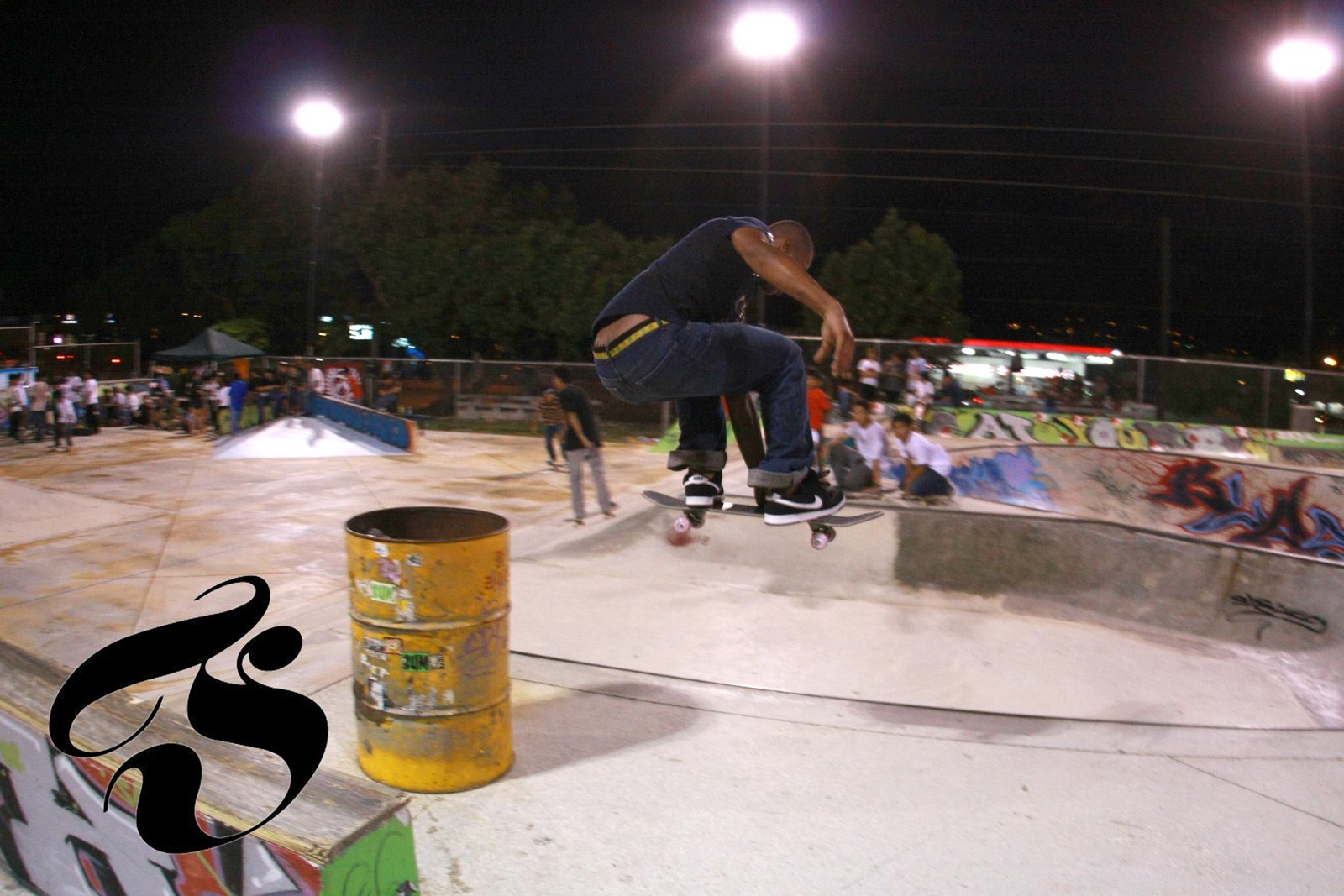
FokaiReportByPaulBlas:Sk8TheD8
June 22, 2009 by admin
Filed under FokaiAthletics
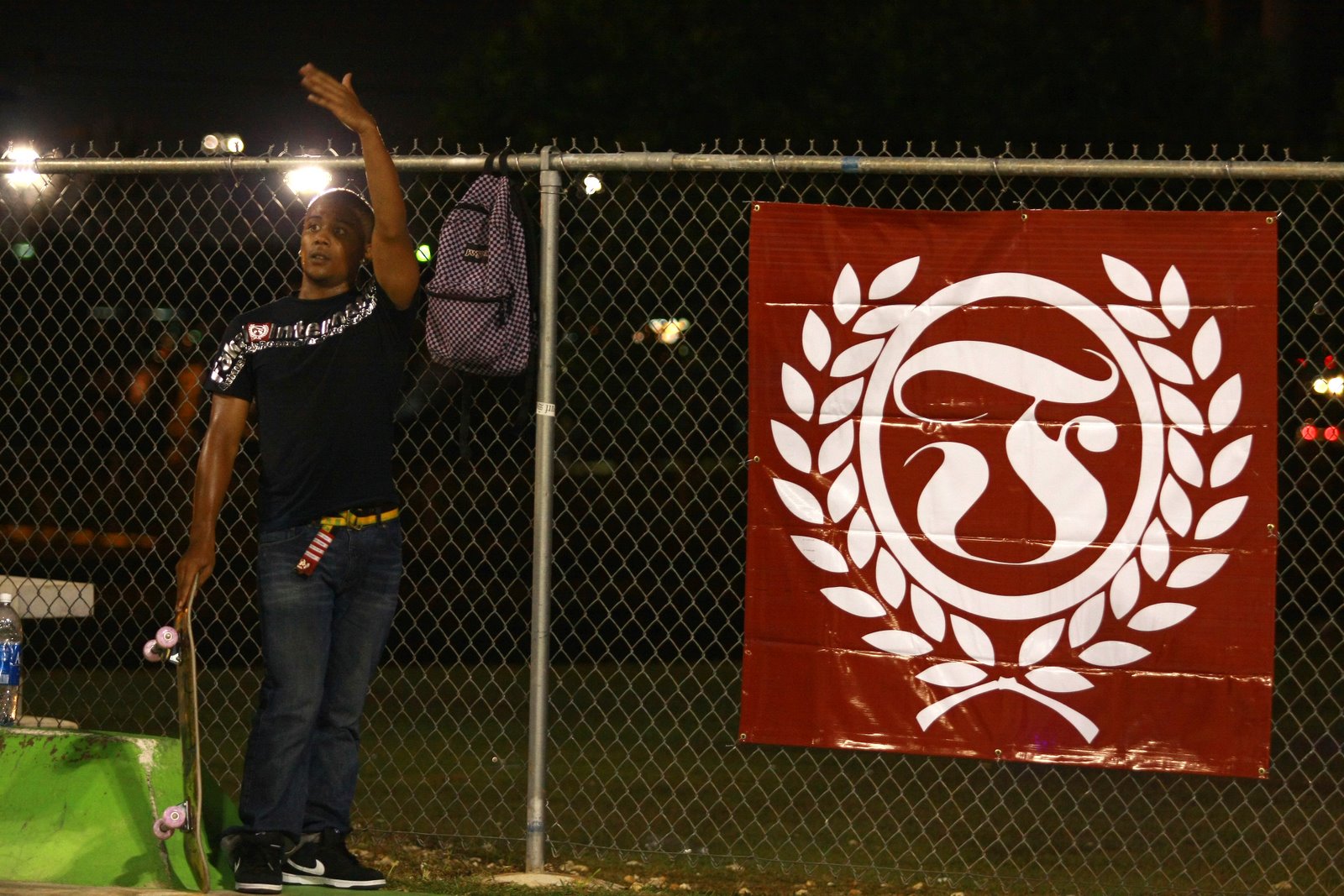
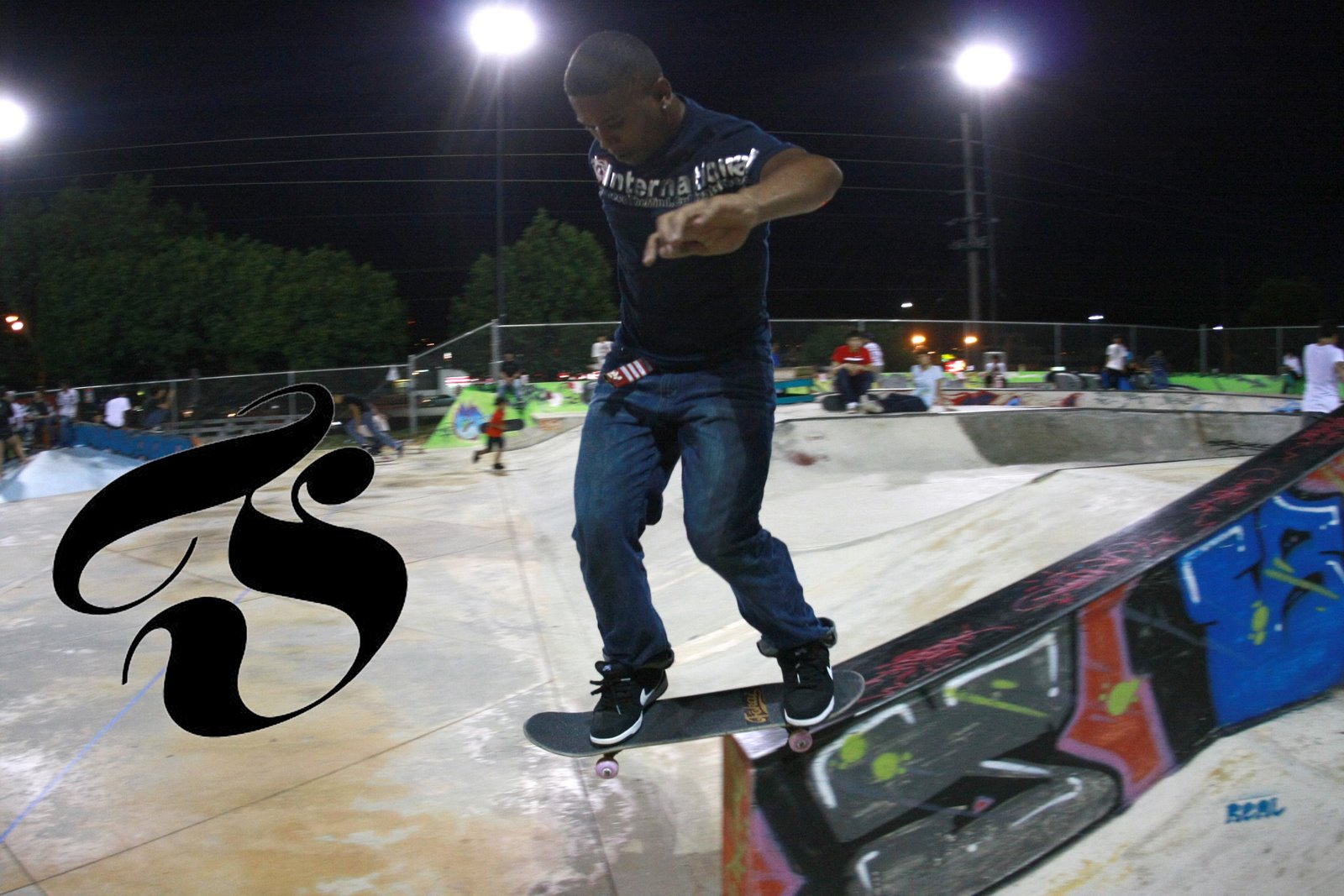
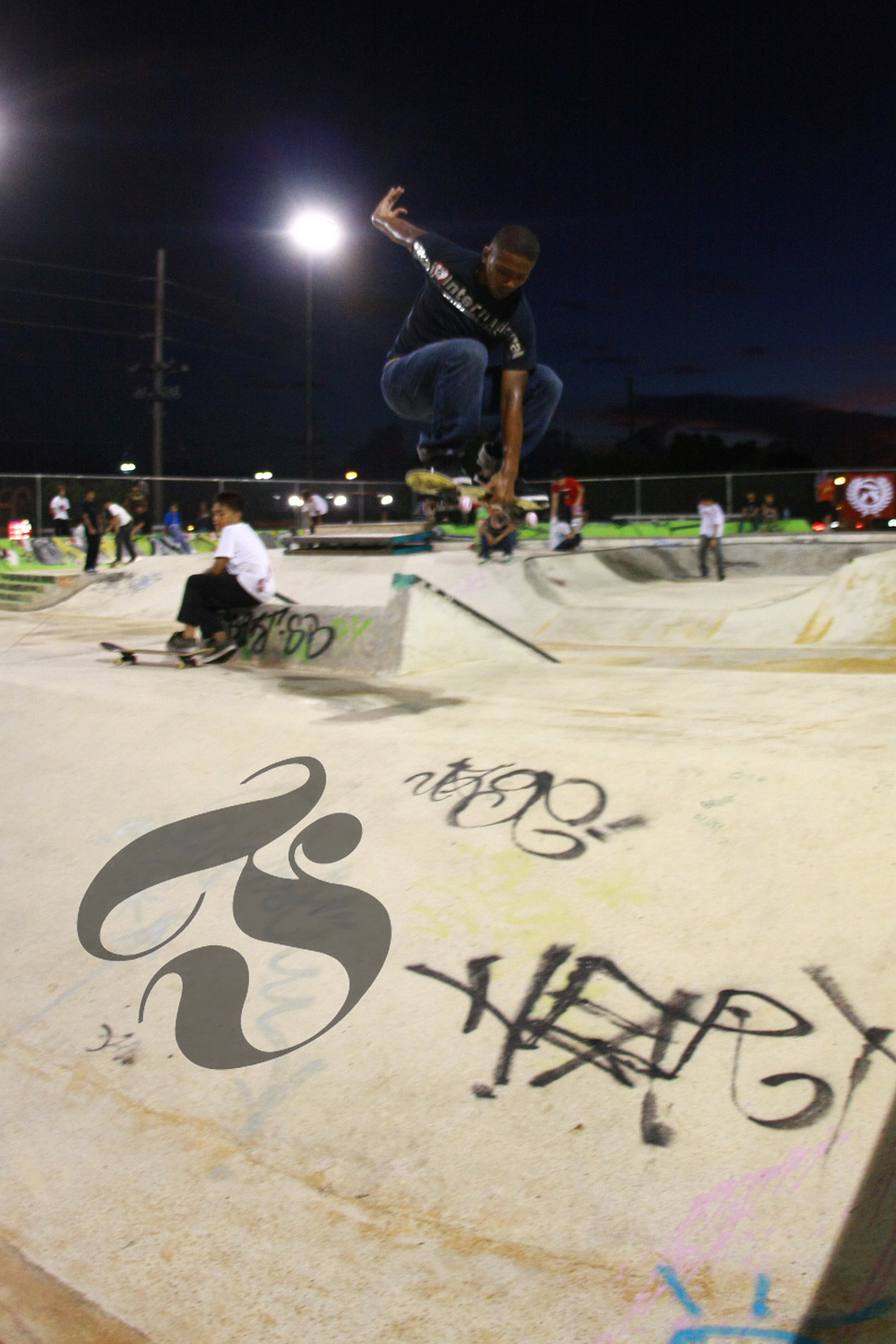
FokaiCelebratesInternationalSurfingDay
June 21, 2009 by admin
Filed under GuamWatermen'sClub

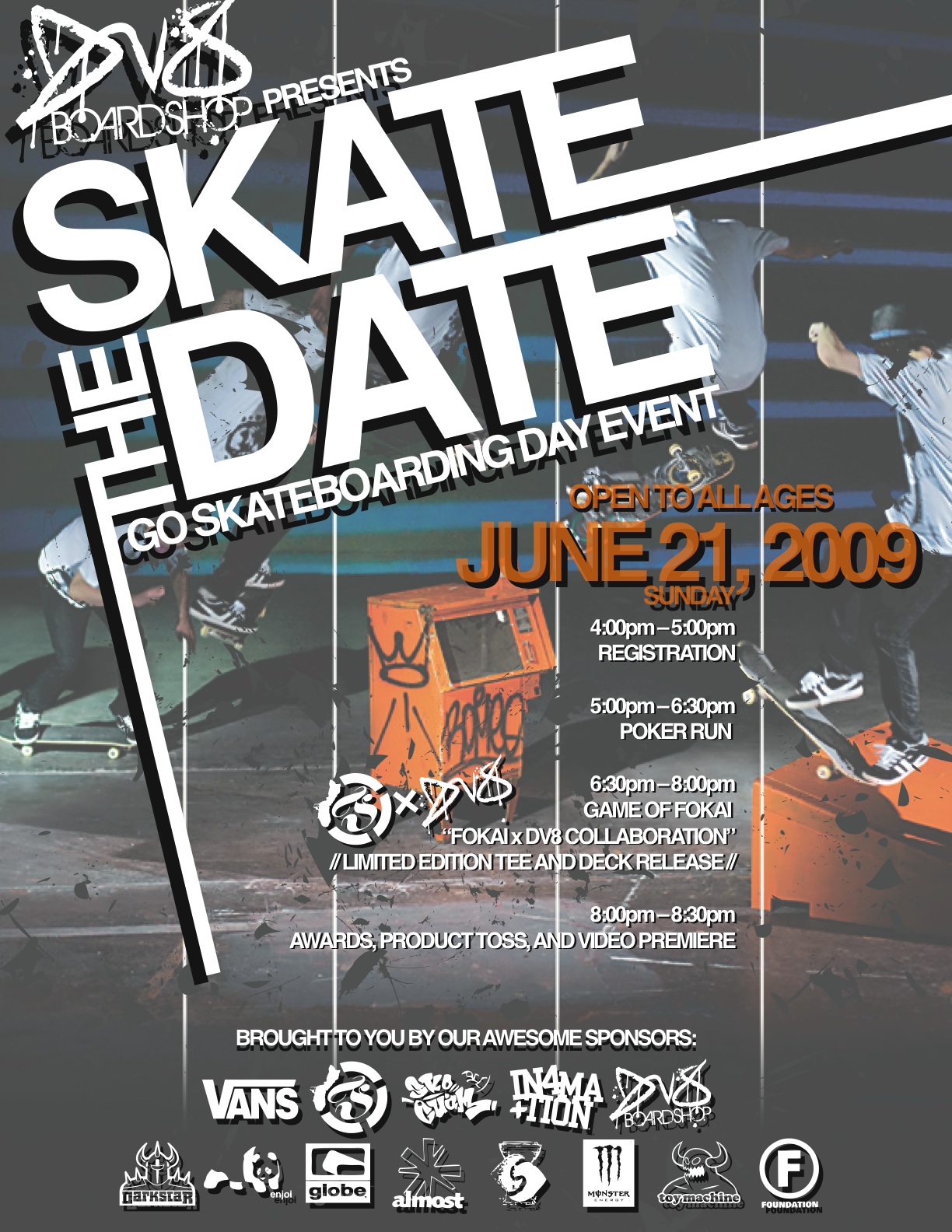
Sk8TheD8:FKIandDV8
June 19, 2009 by admin
Filed under FokaiAthletics, FokaiMotorsports, Special Forces
CelebrityFokaiAndGoodVibrations: HiromitsuKanehara
June 19, 2009 by admin
Filed under 1008, CelebrityFokai, Special Forces
Japanese cs channel

FokaiAmphibiousDivision:ItsAFamilyThing
June 18, 2009 by admin
Filed under GuamWatermen'sClub


ONRA:June19th,2009
Martial arts and fighting aren’t always the same
• For Pacific Daily News • June 18, 2009
Hafa Adai,
Some very impressive things have happened for Guam combat sports in the past two weeks.
I was reading a martial arts blog by El Conquistador and caught a great discussion on the differences between fighters and martial artists and felt truly enlightened to find wisdom among peers. I rediscovered that training martial arts doesn’t necessarilty make you a martial artist. And, being a martial artist doesn’t necessarily make you a fighter
El Conquistador breaks it down by mentioning that martial artists are driven by a code of honor and fighters are driven by a code of victory. Brilliant!
It’s true that not everybody trains with the best of intentions. But you would hope that, as hard as our athletes are training, the sacrifices would produce a sense of humility, the support of our fans would instill a sense of obligation, and the pride of the islands would promote a sense of ambassadorship and worth.
Though this might not exist for most, the fact that it might exist for some breeds a confidence in the future for the islands which are ultimately brightened by the sport, venture, and passion caused by the crossover of athletics and martial arts
It’s very true that not all good fighters are good martial artists and that not all good martial artists are good fighters.
 It’s very true that not all good fighters are good martial artists and that not all good martial artists are good fighters.
But, it can go both ways.
As advanced as training has become in the last few years — athletically; and though a martial artist training twenty years might fall to a fighter-athlete with less training, the fighter-athlete might dodge a lawsuit or even injury if he only practiced the wisdom and calm relied upon in martial arts to resolve the conflict peacefully in the first place. In the end, I believe that both have lots to offer.
A great martial artist and a great fighter once said, “The greatest martial art is the one that defeats many without the sacrifice of a single man.”
For their initiative to compete, and their commitment to prepare, I have a great respect for the fighters; and for their inclination to not compete yet their commitment to prepare I also have respect for the martial artists.
Personally, I’d take a code of honor over a code of victory, but maybe that’s why I’m not a champion. At the end of it though, let’s hope that for fan, fighter, and even martial artist, the atmosphere of martial arts will prevail and extract the code and understanding of “the victory of honor” in all of us.
Though it’s important that a fighter and martial artist know how and when to fight, it’s equally important that they learn how and when not to fight. But like many things — easier said than done. But, for martial artist or fighter, isn’t that what training is for?
Thanks for dropping by